
For brands aspiring to work with Disney characters, producing plush toys that meet Disney’s stringent requirements represents both a significant opportunity and a formidable challenge. The “Disney Standard” is far more than a simple quality benchmark – it’s a comprehensive framework encompassing product safety, material integrity, ethical manufacturing, and brand consistency.
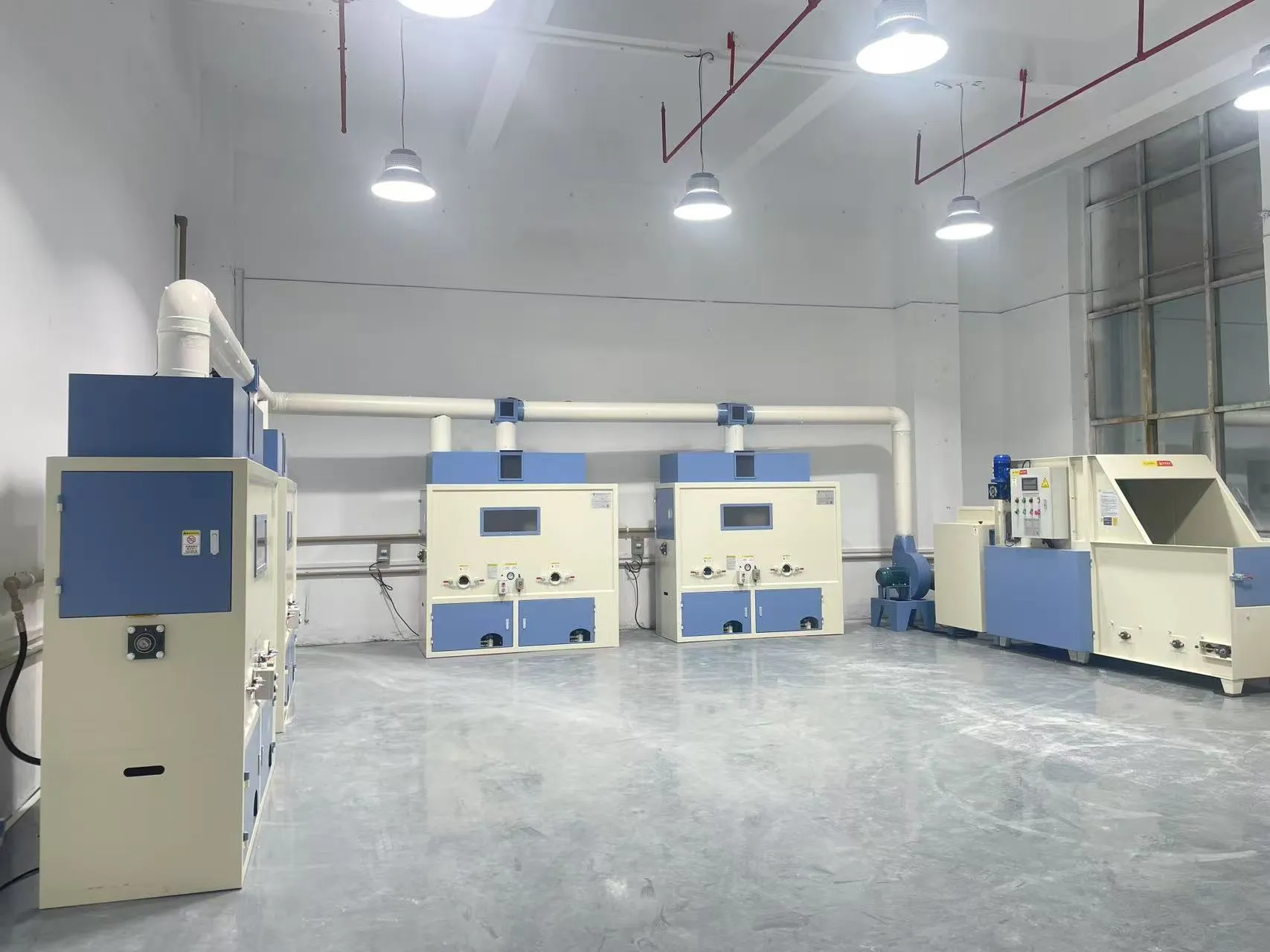
As a factory with direct experience navigating the Disney FAMA (Factory Authorization & Manufacturing Agreement) process and serving global licensed brands, we understand the intricate journey from concept to compliant product. This guide demystifies what it truly means to create Disney-standard plush toys and how the right manufacturing partner can transform this complex process into a streamlined success.
Part 1: Demystifying the “Disney Standard” Ecosystem
1.1 The Four Pillars of Disney Compliance
The Disney standard rests on four interconnected pillars that every manufacturing partner must master:
Product Safety & Quality
Material Compliance: All fabrics, fillings, threads, and accessories must meet or exceed international safety standards including EN71-3 (European), ASTM F963 (American), and CPSIA requirements.
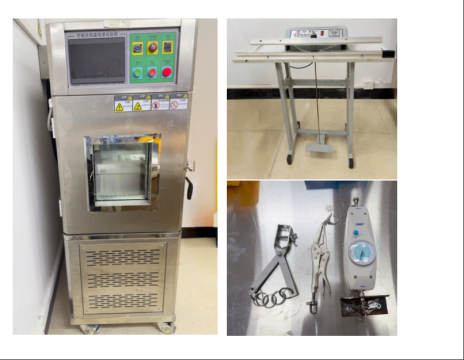
Construction Integrity: Seams must withstand rigorous testing (we utilize specialized equipment including overlock and safety stitch machines), and all components must pass torque, tension, and drop tests.
Durability Requirements: Toys must maintain structural integrity through repeated play, requiring precision in pattern engineering and assembly.
Brand Consistency & Design Fidelity
Character Accuracy: Every licensed character must maintain design fidelity across all product categories – color matching, proportion accuracy, and expression consistency are non-negotiable.
Brand Guidelines: Strict adherence to Disney’s character style guides, color palettes, and graphic standards throughout production.
Ethical Manufacturing & Social Responsibility
Compliance Verification: Factories must maintain certifications such as BSCI (Business Social Compliance Initiative) or SMETA (Sedex Members Ethical Trade Audit) and pass regular Disney audits.
Supply Chain Transparency: Complete traceability of all materials back to approved sources.
Documentation & Process Control
Complete Audit Trail: Detailed records of material testing, production inspections, and quality control measures must be maintained and readily available.
FAMA Compliance: Proper execution of the Factory Authorization & Manufacturing Agreement process is essential for legal production and shipment clearance.
1.2 Common Misconceptions About Disney Standards
Myth: “Any high-quality factory can produce Disney products.”
Reality: Only factories with active FAMA approval can legally produce Disney merchandise, regardless of their general quality standards.
Myth: “Material safety is the only concern.”
Reality: Social compliance, environmental practices, and supply chain ethics carry equal weight in Disney’s evaluation.
Myth: “Once approved, always approved.”
Reality: FAMA status requires regular revalidation, and factories undergo periodic unannounced audits to maintain authorization.
Part 2: The Step-by-Step Guide to Disney-Compliant Plush Manufacturing
Phase 1: Pre-Production Preparation & Design Development
2.1 License Verification & Concept Approval
License Validation: Before any design work begins, confirm the scope and validity of your Disney license for the intended character(s) and product category.
Design Submission: Submit initial concepts through Disney’s online portal (DCL) for preliminary approval. Our design team specializes in creating submissions that align with Disney’s visual standards.
Character Style Guide Adherence: Our in-house artists meticulously follow Disney’s character-specific style guides for colors, proportions, and expressions.
2.2 Technical Development & Safety Assessment
Pattern Engineering: Develop technical patterns that balance aesthetic accuracy with safety considerations (eliminating small parts for younger age grades, ensuring secure seam construction).
Material Selection & Testing: Source materials only from Disney-approved vendors or conduct comprehensive third-party testing for:
Heavy metals (lead, cadmium, mercury, etc.)
Phthalates and other chemical restrictions
Flammability compliance
Fiber content verification
Prototype Development: Create first-shot samples using the proposed production materials and construction methods.
Phase 2: Production Process & Quality Control
2.3 Manufacturing Under Controlled Conditions
Dedicated Production Lines: Disney products are manufactured on segregated lines with specialized equipment, including:
Computerized cutting systems for pattern accuracy
Programmable sewing machines for consistent stitch quality
Specialized stuffing equipment for controlled fill density
In-Process Quality Checks: Multiple inspection points throughout cutting, sewing, stuffing, and assembly processes.
Component Traceability: Maintain lot tracking for all materials and components throughout production.
2.4 Comprehensive Testing Protocol
Every production run includes both in-house and third-party testing:
Physical & Mechanical Tests:
Tension testing of seams and attachments
Torque testing of eyes, noses, and accessories
Drop testing from prescribed heights
Compression testing for stuffing integrity
Chemical Compliance Verification:
XRF screening for heavy metals
Laboratory testing for regulated substances
Fiber content analysis
Phase 3: Final Compliance & Documentation
2.5 Pre-Shipment Inspection & FAMA Execution
AQL Inspection: Conduct ANSI/ASQ Z1.4 statistical sampling inspections on finished goods.
Documentation Package Assembly:
Material safety data sheets (MSDS)
Test reports from accredited laboratories
Production records and inspection reports
FAMA request with complete product details
Shipping Compliance: Ensure proper labeling, marking, and packaging according to Disney’s requirements.
Part 3: Why Partnering With a FAMA-Approved Factory Matters
3.1 Risk Mitigation & Compliance Assurance
Working with an experienced, FAMA-approved factory significantly reduces your compliance risks:
Established Systems: Pre-existing quality management systems already aligned with Disney requirements.
Regulatory Expertise: Current knowledge of changing safety standards and testing requirements.
Audit Readiness: Continuous preparation for unannounced Disney audits.
3.2 Efficiency & Cost Optimization
Streamlined Processes: Experience translates to fewer revisions and faster approval cycles.
Supplier Relationships: Established relationships with Disney-approved material vendors.
Problem Prevention: Anticipating and addressing potential compliance issues before they become costly.
3.3 Case Study: Successfully Navigating a Disney Project
Project Overview: Development of a 12″ Mickey Mouse plush for the European market.
Challenges Encountered:
Strict color matching requirements for Mickey’s specific red and yellow
EN71-3 compliance for all materials
BSCI audit preparation for factory approval
Our Solutions:
Utilized specialized color calibration equipment and multiple lab dips to achieve exact color matches.
Pre-tested all materials with a third-party laboratory before production.
Conducted internal mock audits to prepare for the BSCI inspection.
Results: Product approved on first submission, production completed within timeline, and successful FAMA execution for EU distribution.
Conclusion: Transforming Disney Compliance from Barrier to Advantage
Navigating Disney’s requirements represents a significant investment in quality systems, supplier relationships, and compliance expertise. However, this investment pays dividends beyond licensed products – the rigorous standards, documentation practices, and quality mindset elevate all aspects of a factory’s operations.
For brands, partnering with a factory that has successfully navigated the Disney FAMA process provides not just compliance assurance, but access to manufacturing excellence that translates to better products, stronger brands, and satisfied customers.
Next Step Guidance:
If you’re considering a licensed plush project, begin with these essential questions:
Do you have confirmed rights to produce the character(s) in your target market?
What is your target age grade and corresponding safety requirements?
Do you have preliminary design concepts or character art?
Contact our licensing specialists today to schedule a consultation on your Disney or other licensed character projects. We’ll help you understand the specific requirements, timeline, and investment needed to bring your vision to market successfully.
Dongguan Yongyu Cultural Industry Co., Ltd.
Contact Information:
Email:janet@yongyutoys.com
Number/Wechat: 15575883389 (Manager Yang) Whatsapp:18026933771
Website Address: https://yongyutoys.com