
While Disney standards represent a specific benchmark for licensed products, international safety certifications form the universal foundation for all toys entering global markets. For brands and manufacturers, understanding CE marking, ASTM compliance, and EN71 requirements isn’t just about regulatory adherence—it’s about demonstrating commitment to child safety, building consumer trust, and ensuring market access across continents.
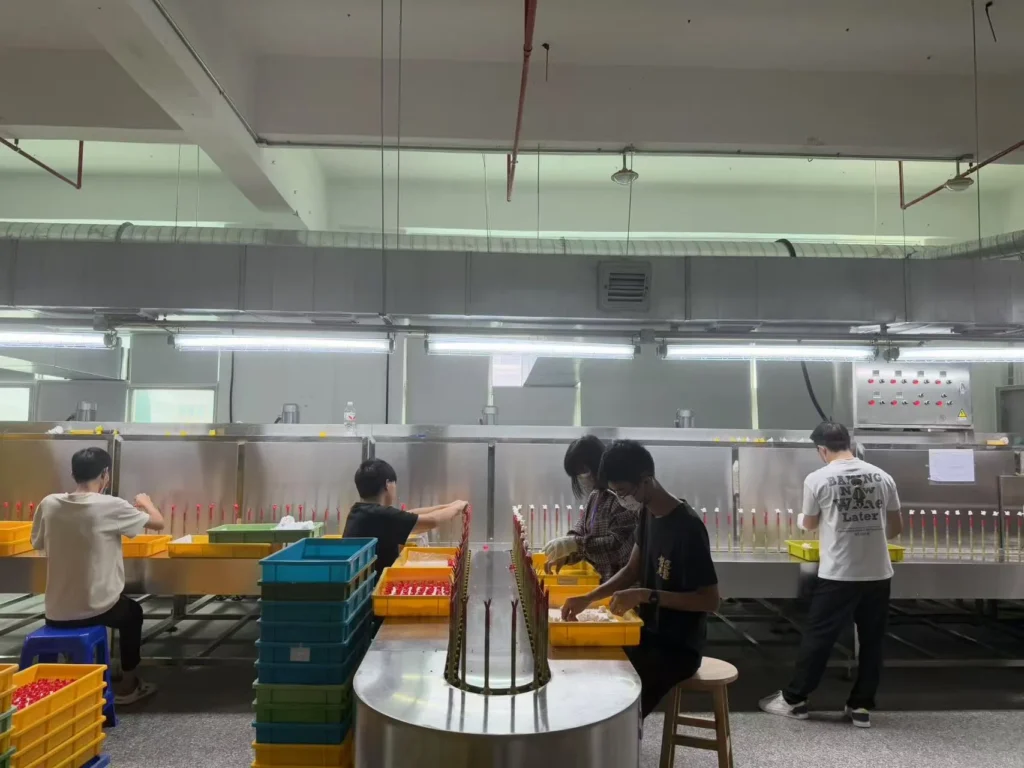
As a manufacturer serving markets from North America to Europe and beyond, we’ve navigated the complex landscape of international certifications for thousands of plush toy SKUs. This comprehensive guide breaks down what these certifications truly mean, how they differ, and what your manufacturing partner should provide to ensure seamless compliance.
Part 1: Understanding the Major Certification Frameworks
1.1 The European Union: CE Marking & EN71 Standards
The CE Marking Imperative
The CE mark is not a quality certification but a legal declaration that a product meets all applicable EU health, safety, and environmental requirements. For toys, this primarily means compliance with Toy Safety Directive 2009/48/EC and its harmonized standards.
EN71 Series: The Technical Foundation
The EN71 standards provide the technical specifications for CE compliance:
EN71-1: Mechanical and Physical Properties
Small parts regulation: Critical for age grading determination
Seam strength testing: Minimum force requirements for seams
Accessory security: Torque, tension, and drop tests for eyes, noses, ribbons
Stuffing integrity: Fiber migration prevention and containment
EN71-2: Flammability
Surface flash test: Measures speed of flame spread across toy surface
Material categorization: Different requirements for different materials
Exemptions: Natural fibers like cotton typically have different requirements
EN71-3: Migration of Certain Elements
Eight heavy metals: Limits for antimony, arsenic, barium, cadmium, chromium, lead, mercury, and selenium
Material categories: Different migration limits for “dry, brittle, powder-like or pliable,” “liquid or sticky,” and “scraped-off” materials
Testing methodology: Simulated stomach acid extraction and analysis
The Technical File Requirement
CE compliance requires maintaining a comprehensive technical construction file containing:
Product description and specifications
Risk assessment documentation
List of applied standards
Test reports from notified bodies (if required)
Manufacturing process descriptions
Quality control procedures
1.2 The United States: ASTM F963 & CPSIA
ASTM F963: Standard Consumer Safety Specification for Toy Safety
This voluntary standard has become effectively mandatory through reference in state laws and retailer requirements:
Physical and Mechanical Hazards: Similar to EN71-1 but with notable differences in testing methods and requirements
Flammability: Aligned with 16 CFR Part 1610 (not identical to EN71-2)
Chemical Requirements: Heavy metals limits under California Proposition 65 and specific phthalate restrictions
CPSIA: Consumer Product Safety Improvement Act
The broader regulatory framework governing all consumer products, with specific implications for toys:
Lead Content Limits: 100 ppm total lead content in accessible parts
Phthalates Restrictions: Eight specific phthalates limited to 0.1%
Testing & Certification: Third-party testing required for children’s products
Tracking Labels: Permanent tracking information required on product and packaging
Children’s Product Certificate (CPC): Mandatory document attesting to compliance
1.3 Other Significant Markets
Canada: CCPSA (Canada Consumer Product Safety Act) with SOR/2011-17 (Toys Regulations)
Australia/New Zealand: AS/NZS ISO 8124 series (closely aligned with international standards)
China: GB 6675 series (similar to ISO 8124 but with China-specific requirements)
International: ISO 8124 provides a global baseline adopted with modifications by many countries
Part 2: Practical Implementation in Plush Toy Manufacturing
2.1 Age Grading: The Foundation of Safety Compliance
Determining Appropriate Age Grades
Accurate age grading drives all subsequent safety requirements:
Under 3 years: Most stringent requirements – no small parts, enhanced seam strength, specific warning labels
3-6 years: Moderate restrictions with appropriate warnings
Over 6 years: Basic safety requirements apply
Age Grading Factors for Plush Toys
Play pattern assessment: How will children interact with the toy?
Visual appeal evaluation: Does the toy attract younger children regardless of intended age?
Market comparables: How are similar products categorized?
2.2 Material Compliance Strategy
Proactive Material Management
Supplier Qualification: Only source from suppliers who provide full compliance documentation
Batch Testing Protocol: Regular verification testing, not just initial qualification
Material Change Management: Formal process for evaluating any material substitutions
Special Considerations for Plush Materials
Fabric Treatments: Flame retardants, antimicrobial treatments, water repellency
Fiber Fillings: Polyester fiberfill vs. natural materials (wool, cotton) – different testing requirements
Surface Applications: Printing inks, embroidered details, applied decorations
2.3 Design for Compliance
Engineering Safety from Concept
Seam Engineering: Strategic placement of seams, appropriate stitch types, reinforcement methods
Component Integration: Secure attachment methods for eyes, noses, accessories
Internal Structure Considerations: Support materials, joint mechanisms, sound devices
Compliance-Driven Design Modifications
Common adjustments our design team implements:
Replacing plastic eyes with embroidered or printed alternatives for younger age grades
Reinforcing high-stress seams with bar tacks or additional stitching
Eliminating or securing ribbons, bows, and other potential entanglement hazards
Optimizing filling materials to prevent fiber migration while maintaining softness
2.4 Testing Protocols & Documentation
Essential Testing for Plush Toys
Our quality assurance program includes:
Physical Safety Tests:
Seam strength testing: ASTM D5034 / EN71-1 methods
Torque and tension tests: For all attached components
Drop testing: Simulating use and abuse
Compression testing: For stuffing integrity
Chemical Safety Tests:
Heavy metals screening: XRF initial screening followed by lab verification
Phthalates analysis: GC-MS testing for regulated phthalates
Formaldehyde testing: For treated fabrics
AZO dye testing: For European market compliance
Flammability Tests:
Surface burn rate: 16 CFR 1610 / EN71-2 protocols
Material classification: Based on test results
Documentation & Record Keeping
Essential compliance records include:
Material safety data sheets from all suppliers
Test reports from accredited third-party laboratories
Inspection records from production quality checks
Certificate of Conformity / Compliance for each market
Technical file (EU) or Children’s Product Certificate (US)
Part 3: Regional Market Entry Considerations
3.1 European Market Strategy
Choosing Your Compliance Path
Self-verification: For less complex products using harmonized standards
Notified body involvement: Required for certain product categories or when standards aren’t fully applied
Authorized representative: EU-based entity required for non-EU manufacturers
Language & Labeling Requirements
Warning localization: Required in official languages of destination countries
Traceability information: Manufacturer/importer details
Age warnings: Specific phrasing requirements
3.2 United States Market Strategy
Regulatory Agency Landscape
CPSC: Primary enforcement agency with recall authority
State regulations: California Proposition 65, Washington CHCC
Retailer requirements: Often more stringent than regulatory minimums
Testing & Certification Timeline
Initial certification testing: Prior to first production
Material change testing: When any material changes
Periodic testing: Annual requirement for continued production
Component testing: Option to test individual components separately
3.3 Multi-Market Compliance Approach
Maximizing Efficiency Across Markets
Unified testing strategy: Designing tests to satisfy multiple jurisdictions simultaneously
Documentation consolidation: Creating master technical files with market-specific appendices
Production planning: Scheduling based on certification timelines and market release dates
Cost Optimization Techniques
Testing bundling: Combining tests for multiple products or markets
Component certification: Certifying common components across product lines
Supplier compliance programs: Working with pre-certified material suppliers
Part 4: Partnering for Compliance Success
4.1 What to Expect from Your Manufacturing Partner
A competent manufacturing partner should provide:
Pre-Production Phase:
Design for compliance guidance during product development
Material compliance verification before commitment
Age grading consultation based on product characteristics
Production Phase:
Quality systems aligned with certification requirements
Documentation management for complete traceability
Change control processes for any production modifications
Post-Production Phase:
Complete compliance documentation package
Assistance with regulatory submissions if required
Support during audits or inspections
4.2 Red Flags in Compliance Partnerships
Warning signs that a manufacturer may not adequately handle compliance:
Vague or inconsistent documentation
Resistance to third-party verification
Inability to provide recent test reports
Lack of understanding about material traceability
No dedicated compliance personnel
4.3 Case Study: Achieving Multi-Market Certification
Product: 10″ Educational Animal Plush with Sound Module
Target Markets: European Union, United States, Canada, Australia
Challenges:
Differing age grading requirements across markets
Electronics component compliance (batteries, sound devices)
Varying flammability standards
Our Integrated Approach:
Design phase: Engineered modular construction allowing region-specific modifications
Testing strategy: Coordinated test program covering all jurisdictions simultaneously
Documentation system: Centralized compliance database with market-specific reporting
Results: Successfully achieved all target certifications 30% faster than sequential approach, with 25% cost savings through integrated testing.
Conclusion: Compliance as Competitive Advantage
In today’s global toy market, safety compliance transcends regulatory necessity—it represents brand integrity, consumer trust, and market accessibility. The complexity of international certifications, while daunting, creates significant barriers to entry that can be transformed into competitive advantages.
The most successful brands recognize that compliance excellence begins with manufacturing partnership selection. By choosing a partner with robust systems, documented expertise, and transparent processes, brands can navigate global markets with confidence, speed, and efficiency.
Next Step Assessment:
Evaluate your current compliance approach with these key questions:
Do you have a clear understanding of which certifications apply to your target markets?
Is your manufacturing partner proactively managing compliance, or are you driving the process?
Are you maintaining proper documentation for potential audits or market expansion?
Contact our compliance specialists for a confidential review of your current or planned products. We’ll provide specific guidance on certification requirements, testing strategies, and documentation needs for your target markets.
Dongguan Yongyu Cultural Industry Co., Ltd.
Contact Information:
Email:janet@yongyutoys.com
Number/Wechat: 15575883389 (Manager Yang) Whatsapp:18026933771
Website Address: https://yongyutoys.com